

Table of Contents
- What Are Microcurrent Devices and How Do They Work?
- EMS vs Microcurrent Facial: What's the Real Difference?
- Quick Comparison: Best Microcurrent Devices for Beginners
- How to Use At-Home Facial Toning Devices: A Beginner's Routine
- Benefits of Hands-Free EMS Masks for Busy Lifestyles
- Safety, Suitability and When to Speak to a Clinician
- Conclusion: Choosing Your First Microcurrent Device
- Frequently Asked Questions
Last Updated: October 13, 2026
What Are Microcurrent Devices and How Do They Work?
Microcurrent devices are cosmetic tools that deliver a very low-level electrical current to the skin and facial muscles, usually through conductive patches, wands or gel. The current is measured in microamps, which is a fraction of what a TENS machine or EMS unit delivers.
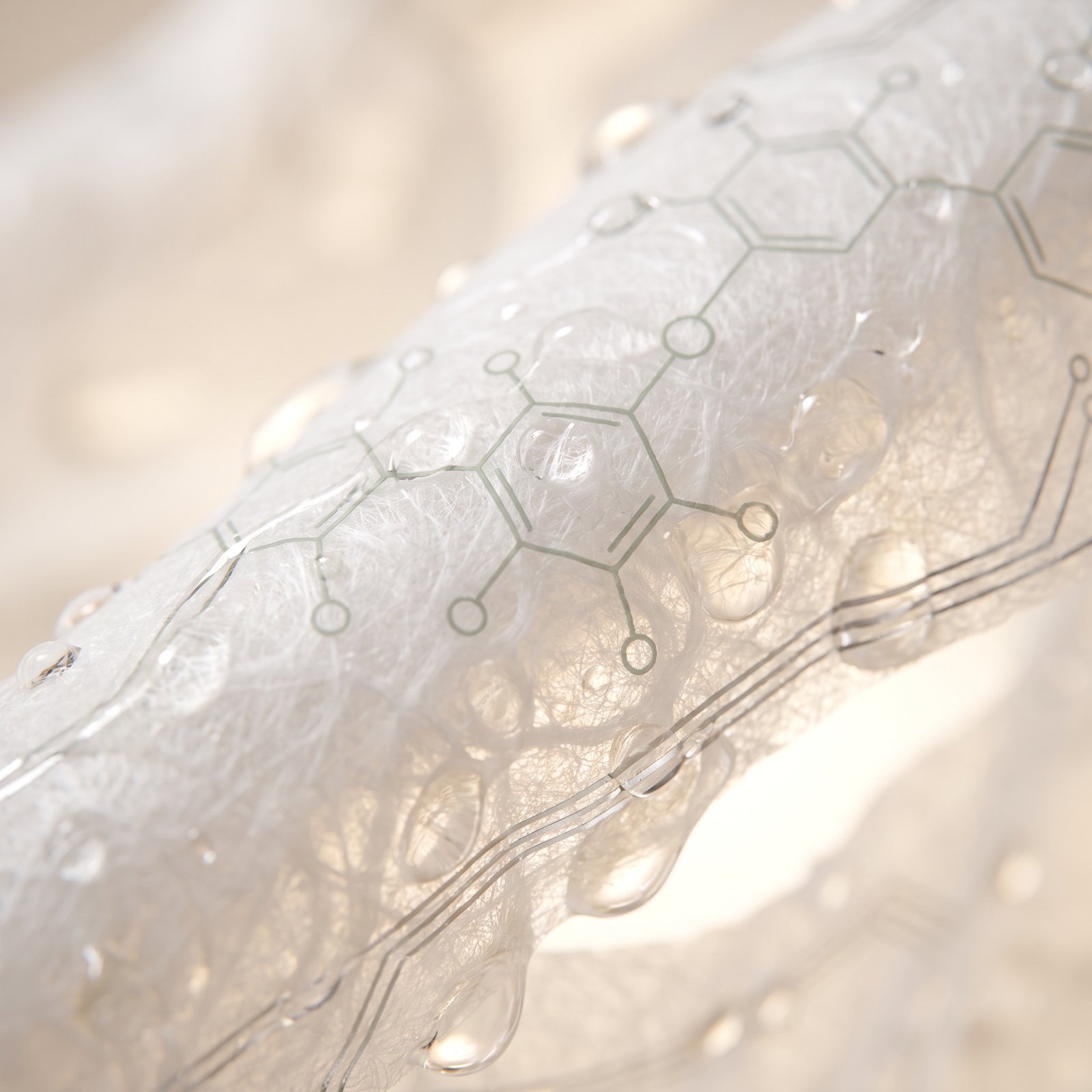
The mechanism is straightforward. Low-level current passes through conductive material into the skin and the underlying facial muscles. Many users describe a faint tingling or pulsing sensation rather than anything painful.
That last point matters more than any specification. Consistency, not intensity, is what most beginners underestimate.
EMS vs Microcurrent Facial: What's the Real Difference?
EMS (electrical muscle stimulation) and microcurrent both use electrical current, but they are not the same thing. Microcurrent typically refers to very low-amperage current, while EMS uses a stronger, pulsed current intended to trigger visible muscle contractions. Confusing the two is the most common mistake in beginner buying guides.
Here is a practical way to tell them apart:
- Microcurrent: very low current, often described in microamps, subtle sensation, frequently used with conductive gel or wipes.
- EMS: higher current, produces a visible pulsing or tapping sensation, often used in body toning as well as facial devices.
- Combined devices: many at-home facial tools, including EMSTIGHT's, use EMS microcurrent technology, so both principles appear in one product.
The distinction matters because a device marketed as "EMS" is not automatically a microcurrent device, and vice versa. Checking the stated technology, rather than the marketing headline, is the fastest way to know what you are buying.

Quick Comparison: Best Microcurrent Devices for Beginners
Most beginner guides open with a ranked list and leave you to work out why one device suits you and another does not. This one starts from the other direction: which features actually matter for a first-time user, which you can safely ignore, and how the main formats compare.
The features that matter for a first purchase
- Session length. Anything under about 20 minutes is realistic to repeat. If a routine needs 30 minutes of active holding, most beginners quietly stop within a few weeks.
- Hands-on or hands-free. A handheld wand needs your arm for the whole session. A wearable mask or patch set does not.
- Intensity control. Adjustable levels let you start low and build up. A single fixed setting is a gamble on your first week.
- Conductive medium. Wands and many handheld devices need a conductive gel or serum, which is a recurring cost. Self-adhesive hydrogel patches and sheet masks supply their own conductivity.
- Charging and controls. USB-C charging and a simple remote or single button are easier to live with than proprietary cables and multi-step menus.
- Warranty and replacement parts. Check how long the warranty runs and whether patches or gel are sold separately, because that affects the true cost over a year.
What you can ignore as a beginner
App ecosystems, subscription content, Bluetooth pairing, multi-mode menus and salon-style "programmes" add complexity before they add benefit. They are not wrong to buy, but they are not what makes a first device work. The thing that makes it work is that you use it three or four times a week.
How the main formats compare
| Format | Session time | Hands-free? | Conductive medium needed | Best for |
|---|---|---|---|---|
| Handheld microcurrent wand | 5-20 minutes | No | Yes, gel or serum | Users who like manual control and targeting |
| Hands-free EMS microcurrent face mask | 15 minutes | Yes | No, sheet mask is conductive | Busy routines, multitasking, travel |
| Focused patch sets (eyes, cheeks, forehead) | 15 minutes | Yes | No, hydrogel is self-adhesive | Targeting specific areas, or combining zones |
Where EMSTIGHT fits
EMSTIGHT is a wearable, hands-free option rather than a handheld wand. The EMS Microcurrent Face Mask runs a fixed 15-minute session with five intensity levels, and the patch range splits the face into focused zones: a pair for the eyes, a pair for the cheeks, a single wide patch for the forehead, or a combined set covering all three.

That format suits people who want a simple ritual they can repeat without holding anything. It is a home-use beauty device, not a professional clinical treatment, and it is not intended to replace one.
For beginners, the practical question is not which device is most powerful. It is which one you will actually use three or four times a week. A device that sits in a drawer delivers nothing.
How to Use At-Home Facial Toning Devices: A Beginner's Routine
Most guides tell you to "use it regularly" and stop there. This section gives you an actual starter plan: how to prepare, how long to run each session, how to build up intensity, and how to maintain results once you have them.
Before you start
- Cleanse and dry your face. Skin should be clean and free of oil, makeup and heavy creams.
- Decide your conductive layer. Handheld wands need a conductive gel or serum applied first. Self-adhesive hydrogel patches and conductive sheet masks supply their own conductivity, so no gel is needed.
- Check the skin. Do not treat broken, irritated or sunburned skin, and keep patches clear of the eyes, eyelids, lips, mucous membranes and the front of the throat.
- Start at the lowest intensity. Every device in this guide has adjustable levels. Begin at level one and stay there for your first week.
A four-week starter schedule
This is a gradual plan, not a sprint. The aim is to build the habit before you build the intensity.
| Week | Sessions per week | Session length | Intensity |
|---|---|---|---|
| 1 | 2 | Full session (e.g. 15 minutes) | Lowest level |
| 2 | 3 | Full session | Lowest level |
| 3 | 3-4 | Full session | Step up one level if comfortable |
| 4 | 3-4 | Full session | Hold or step up one level |
After week four, most people settle into three or four sessions a week. Once you have a routine you are happy with, you can drop to two sessions a week as maintenance.
Running a session with the EMSTIGHT face mask
- Cleanse and dry your face.
- Apply your own skincare underneath. Either place your usual sheet mask on first, or apply your normal moisturiser.
- Position the conductive layer. The EMS Sheet Mask goes on top of your skincare.
- Connect the host unit and set your intensity, starting at the lowest level.
- Run the full 15-minute session. The device switches off automatically.
- Remove, rinse the sheet if reusable, and follow with moisturiser.
Total time: 15 minutes, hands-free.
Running a session with the patches
The eye, cheek and forehead patches are quicker still: cleanse, press each patch into place, clip on the host units, set one intensity on the remote, and let the 15 minutes run. No water, serum or gel is needed because the patches are self-adhesive and conductive.
What to expect, realistically
Many users notice a temporary look of firmer, more rested skin shortly after a session, and that effect fades. Durable-looking change, if it comes, depends on consistency over weeks rather than intensity in a single session. No at-home device can promise permanent lifting or wrinkle removal, and this guide does not claim otherwise.
Keeping it going
- Anchor it to an existing habit. Pair sessions with something you already do at the same time each day or week.
- Keep the kit charged. USB-C charging means a top-up is quick, but a flat host unit is the most common reason a routine lapses.
- Check your consumables. If you use gel or reusable sheets, keep a spare so you are never caught short.
Benefits of Hands-Free EMS Masks for Busy Lifestyles
Hands-free design is the single biggest reason beginners stick with a routine. A handheld wand needs your arm for the entire session. A wearable mask or patch set does not.
EMSTIGHT's approach is built around this. The EMS Microcurrent Face Mask runs a fixed 15-minute session with five adjustable intensity levels, so there is nothing to time and nothing to hold.
That format suits people who want a considered ritual rather than a manual task. It also travels well, since the host units are small and recharge over USB-C.
Safety, Suitability and When to Speak to a Clinician
Safety guidance is not fine print, and it is worth reading before you buy. EMSTIGHT devices are cosmetic beauty tools, not medical devices, and they are not intended for any medical purpose.
Do not use these devices at all if you have a pacemaker, defibrillator or any other implanted electronic medical device, an artificial heart or lung, or if you wear a medical electronic instrument such as an ECG monitor.
Placement limits apply too. Keep patches and masks clear of the eyes and eyelids, the lips and mouth, mucous membranes, the front of the throat, and any broken, irritated or sunburned skin.
If you have a diagnosed skin condition, are undergoing treatment, or are simply unsure whether a device suits you, a pharmacist or GP is the right first stop. For general consumer health guidance in the UK, the NHS health A-Z covers common skin concerns.
Conclusion: Choosing Your First Microcurrent Device
The beginner's market is crowded, and most of the confusion comes from marketing language rather than technology. Microcurrent and EMS are related but distinct, session length and hands-free design matter more than headline claims, and consistency beats intensity every time.
If a handheld wand suits how you already do your skincare, that is a reasonable choice. Explore the EMS Microcurrent Face Mask or start with the EMS Eye Patches and build from there.

Frequently Asked Questions
Which microcurrent device is most effective for beginners?
The most effective device is the one you will actually use consistently. For beginners, look for a device with a short session time, intuitive controls and clear guidance on where to place it. Hands-free options like EMSTIGHT's EMS Microcurrent Face Mask run for 15 minutes and switch off automatically, which removes the guesswork. Handheld wands can work well too, but they require you to hold and glide them for the full session. Consistency matters more than intensity when you are starting out.
Do you need conductive gel for a microcurrent device?
Most handheld microcurrent devices need a conductive gel or serum to carry the current evenly across the skin. Without it, the current can concentrate in one spot and feel uncomfortable. Some newer devices, including EMSTIGHT's patch range, use self-adhesive hydrogel patches that are already conductive, so no separate gel is needed. If you are using a wand-style device, check the manufacturer's instructions and always apply the recommended conductive medium before starting.
How often should you use a microcurrent device for visible results?
Most at-home devices are designed for regular use, often several times a week. EMSTIGHT's devices run for 15 minutes per session, and the instructions recommend following the supplied guidance on frequency. Results build gradually with consistent use rather than after a single session. Think of it as a routine you maintain, similar to any other part of your skincare ritual. If you skip weeks, you may notice the difference, so pick a schedule you can realistically keep.
Are at-home microcurrent devices safe for all skin types?
At-home microcurrent and EMS devices are cosmetic beauty tools, not medical devices. They are generally suitable for most skin types, but there are important exceptions. Do not use them if you have a pacemaker, defibrillator or other implanted electronic device. Speak to your doctor first if you are pregnant, breastfeeding or have a heart condition, epilepsy or a skin infection. Always read the full suitability guidance supplied with your device, and stop immediately if you feel discomfort or notice redness or itching.
What is the difference between EMS and microcurrent technology?
EMS (electrical muscle stimulation) and microcurrent both use low-level electrical currents, but they work differently. EMS targets the facial muscles with pulses designed to cause visible muscle contractions, which some people describe as a tapping or tingling sensation. Microcurrent uses a much lower current, closer to the body's own natural electrical signals, and does not aim to cause visible contractions. Some devices combine both. Knowing which technology a device uses helps you choose based on your comfort preferences and what you want from your routine.


